
Searching Dyer County Civil Dockets
Dyer County publishes no unauthenticated civil case lookup form. For Circuit Court records, contact T.J. Jones in Room 200 at 101 West Court Street, 731-286-7808. General Sessions uses 731-286-7809. Chancery and probate-related files rest with Clerk and Master Cindy Rose in Room 201, 731-286-7818. The county office directory lists both counters. They are open 8:30 a.m. to 4:30 p.m. on weekdays.
Bring as much detail as you can. A single party name often matches several similar case styles. Give both names and the case number. Add an approximate filing year, the claim type, and the likely court. Phone first, then visit the counter, or ask the clerk about mail and email requests. The county posts no standard copy-request form and promises no set turnaround.
- Identify Circuit, Chancery, or General Sessions from the summons or pleading.
- Call the matching clerk and provide the exact case number or full party names.
- Ask for the public register, present status, and next setting.
- Visit the proper room to inspect the public file if no remote copy is offered.
- Specify each pleading or order and whether a plain or certified copy is needed.
Dyer County's Split Civil Clerks
Two offices hold the civil court records here. The Circuit Court Clerk keeps Circuit and General Sessions files. The Clerk and Master keeps Chancery and probate-related records. Diane Moore runs the County Clerk office. That office is separate and does not hold the court docket. Sorting out this split is step one whenever a name search comes back empty in Dyer County.
| Route | Typical work | Clerk channel |
|---|---|---|
| Circuit Court | Major civil claims and general jurisdiction matters | Room 200, 731-286-7808 |
| Chancery Court | Equity, chancery, domestic-relations, and probate-related work | Room 201, 731-286-7818 |
| General Sessions | Limited claims, including smaller disputes and forcible-entry matters within its authority | 731-286-7809 |
A General Sessions judgment can be appealed. The appeal opens a new trial in Circuit Court. Ask where that new docket was set up. The old and new records may sit in separate procedural files.
Address any mail request to the named clerk, the court, and the room. Do not send it to the County Clerk office. List the case style, both party names, and the approximate year. Name the document you want. Also ask whether payment must ride along. If the case started in General Sessions and moved to Circuit Court, name both courts so staff can link the records instead of assuming one file tells the whole story.
Inside a Dyer County Civil Docket
Think of a civil docket as the dated register of a case. It lists filings and court actions. It does not always show the full text behind them. A notice of setting proves a date was set, not that the hearing happened. A filed motion is a request, not a ruling. Read the later signed order or judgment for the actual result.
| Header | Court, case number, filing date, style, judge or chancellor, and status. |
|---|---|
| Parties | Plaintiff or petitioner, defendant or respondent, added parties, and counsel of record. |
| Process | Summons issued, return of service, failed service, waiver, or later process. |
| Register | Complaint, answer, motions, responses, notices, resets, orders, and judgment. |
| Settings | Date, time, courtroom, and type when entered by the clerk. |
| Outcome | Judgment, agreed or default judgment, nonsuit, dismissal, transfer, or appeal. |
| Post-judgment | Garnishment, execution, installment order, satisfaction, or reopened activity. |
Some exhibits and personal identifiers are sealed or redacted. Ask the clerk for a public copy rather than private details.
Dyer Chancery Dockets in Room 201
Chancery Court keeps its own records. Cindy Rose is the Dyer County Clerk and Master. Her office sits at 101 West Court Street, Room 201. Chancery matters and the court-side probate channel belong there. Do not take them to the Room 200 desk in Circuit Court.
When you request a file, give the petitioner and respondent. Include the case number if you have it, plus the filing year and the exact pleading or order. Ask whether it is electronic, paper, archived, sealed, or limited by protected family-record rules. If another office needs proof, confirm that office wants a clerk-certified copy.
Civil Case Types on the Docket
Which court you need depends on the claim and the relief sought. Circuit Court holds general civil jurisdiction. Chancery hears equity matters plus the local probate channel. General Session takes limited civil cases under Tennessee statutes and county-specific authority. The AOC General Sessions page offers a statewide overview. Confirm Dyer County's monetary or subject-matter limits with the clerk.
- Contract, property, injury, and other general civil claims.
- Chancery petitions, equity matters, and probate-related court work.
- Smaller claims within General Sessions authority.
- Forcible entry and detainer matters routed by the General Sessions clerk.
- Domestic-relations material when public, subject to sealing and redaction.
- Post-judgment enforcement such as garnishment, execution, and satisfaction.
Municipal ordinance cases do not show up on ordinary county civil dockets. Trimble's charter gives its town court no civil jurisdiction at all.
Dyer Motions Versus Signed Orders
A filing entry only shows that the clerk received a document. It says nothing about whether the judge agreed. So when a Dyer County civil docket lists a motion, response, or proposed order, hunt for the later signed order. Then read its date and terms.
Service entries deserve the same care. A summons issued is not completed service. Check the return before assuming the defendant ever took part. A notice of setting schedules an event without proving it went forward. A reset, minute entry, or later order supplies the next step.
Tennessee Civil Rule 5B governs electronic filing and signing in civil cases.
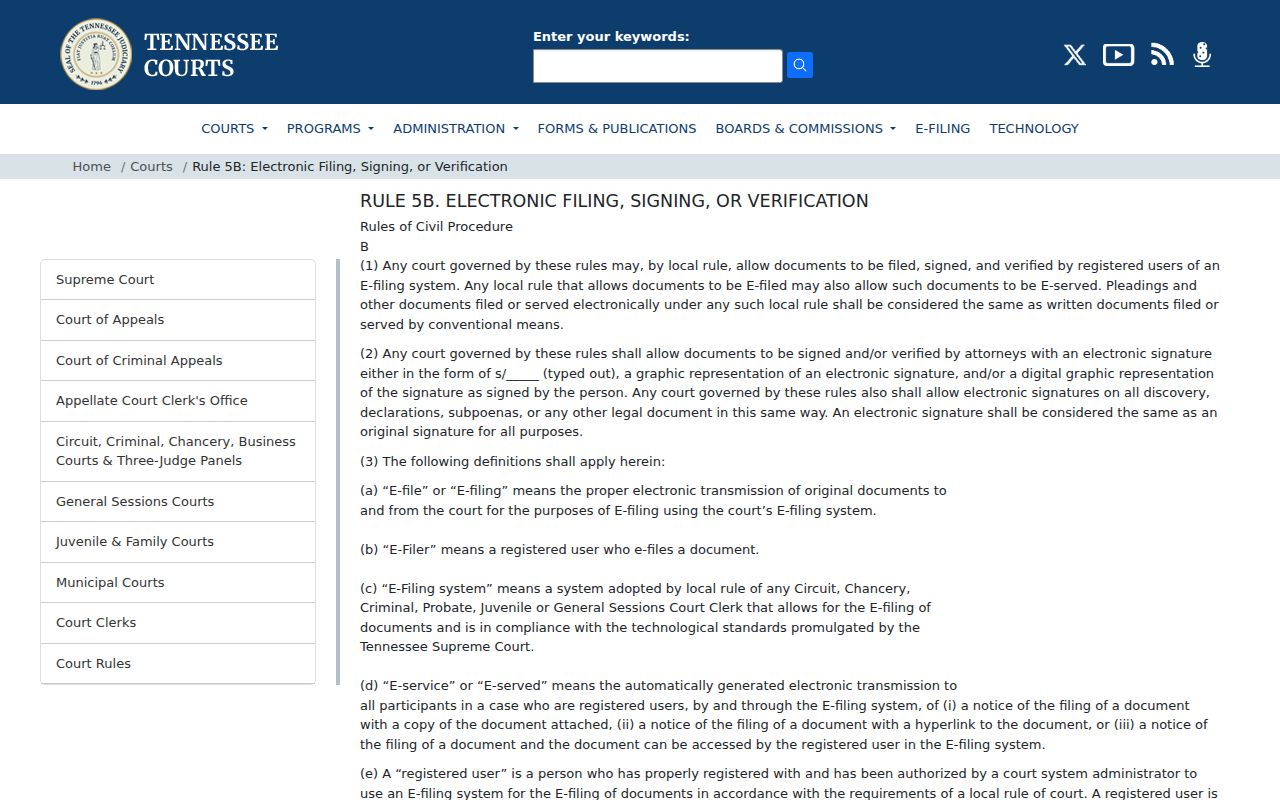
Rule 5B allows local e-filing systems, but it creates no public Dyer County document viewer.
Civil Docket Settings and Hearings
A civil setting might be a motion, a status conference, mediation, or trial. Dyer County's public pages post no case-by-case civil calendar. Call the responsible clerk with the case number. Ask for the date, time, courtroom, judge, and type of setting.
A continuation moves an event. It is not a judgment and does not close the case. Confirm the last definite setting shortly before it. For more on dates, see the Dyer County court dates page.
Dyer Civil Disposition Terms
A word like dismissed or satisfied can mean different things depending on the order behind it. Dyer County publishes no local shorthand list, so rely on the clerk's full docket entry and request the actual order whenever the stakes are real.
- Default judgment
- A judgment entered when a party does not respond or defend as required.
- Nonsuit
- A claimant's voluntary end to a claim, commonly without a merits judgment.
- Dismissal
- An order ending all or part of a matter; its terms control future effect.
- DWOP
- Often means dismissed for want of prosecution, but the Dyer clerk's use must be verified.
- Satisfaction
- A later entry showing a judgment obligation was met or released as recorded.
The life of a civil case runs in a fairly predictable order. A complaint or petition starts things off. The clerk then logs issuance and return of process. An answer, motion, or waiver follows when someone files one. Discovery notices and motions can trigger hearings and orders of their own. The main claim ends through trial, agreement, default, nonsuit, or dismissal. Garnishment, execution, installment, satisfaction, and appeal entries come afterward.
That post-judgment tail matters. It can stretch on long after the judgment itself. It can also bring new settings, fees, and documents with it. Keep the sequence in mind. That habit stops a preliminary filing from being read as the final result.
Civil Docket Access Rules
Tennessee Supreme Court Rule 34 governs access to court records. The rule presumes the public can see them. Sealed documents, judicial work product, internal case-management data, and other confidential records stay protected. The official Rule 34 page sets out the full text.
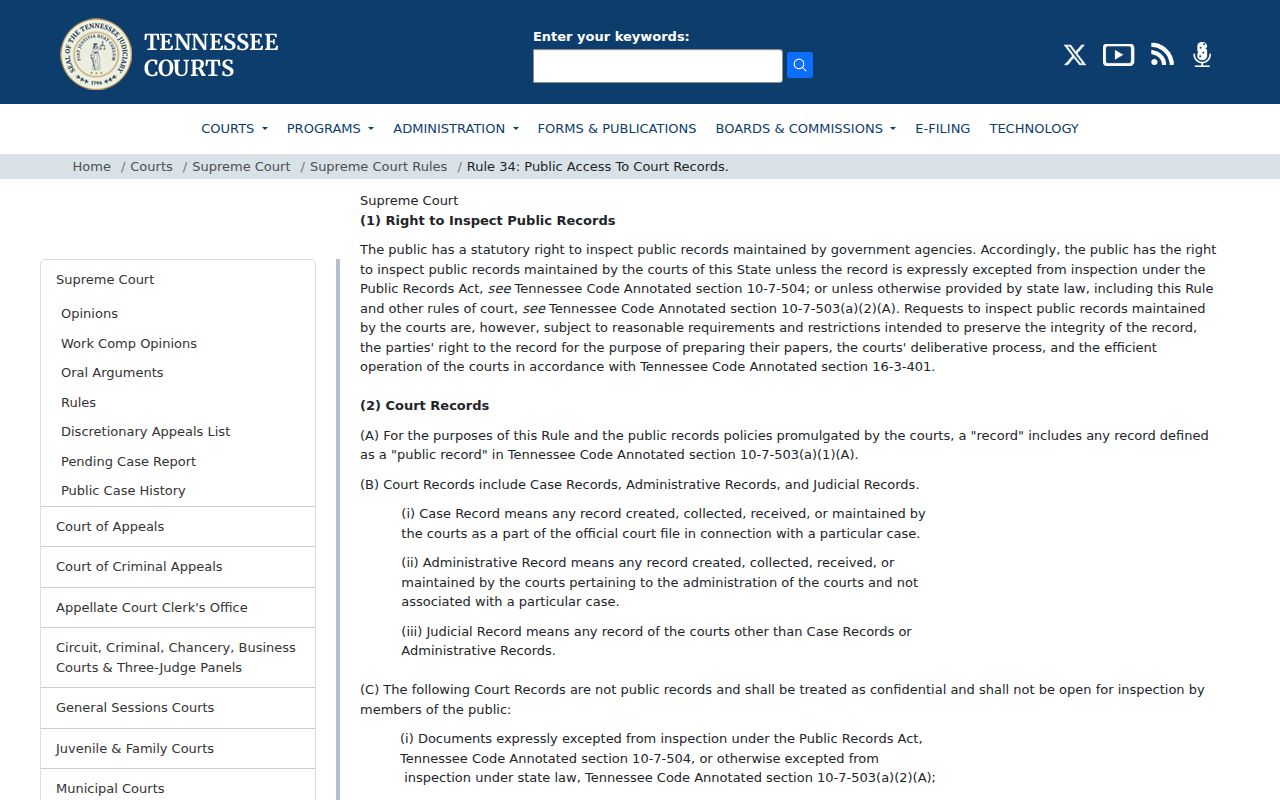
This is why a Dyer County civil docket can be open to the public while one exhibit stays sealed. The Tennessee Public Records Act FAQ covers inspection rights and how to word a request specifically enough.
Looking at a file usually costs nothing, but copies can carry a charge. Ask the clerk for an estimate first.
Dyer Civil E-Filing Limits
Tennessee lets courts adopt electronic filing, and email filing is allowed under the right rules. Dyer County offers no public e-file docket viewer, though. Nor has the county announced any local email-filing adoption. A statewide rule that lets a court opt in is not permission to email your pleadings. Check with the clerk first. The Rule 46B page is the official source on email filing.
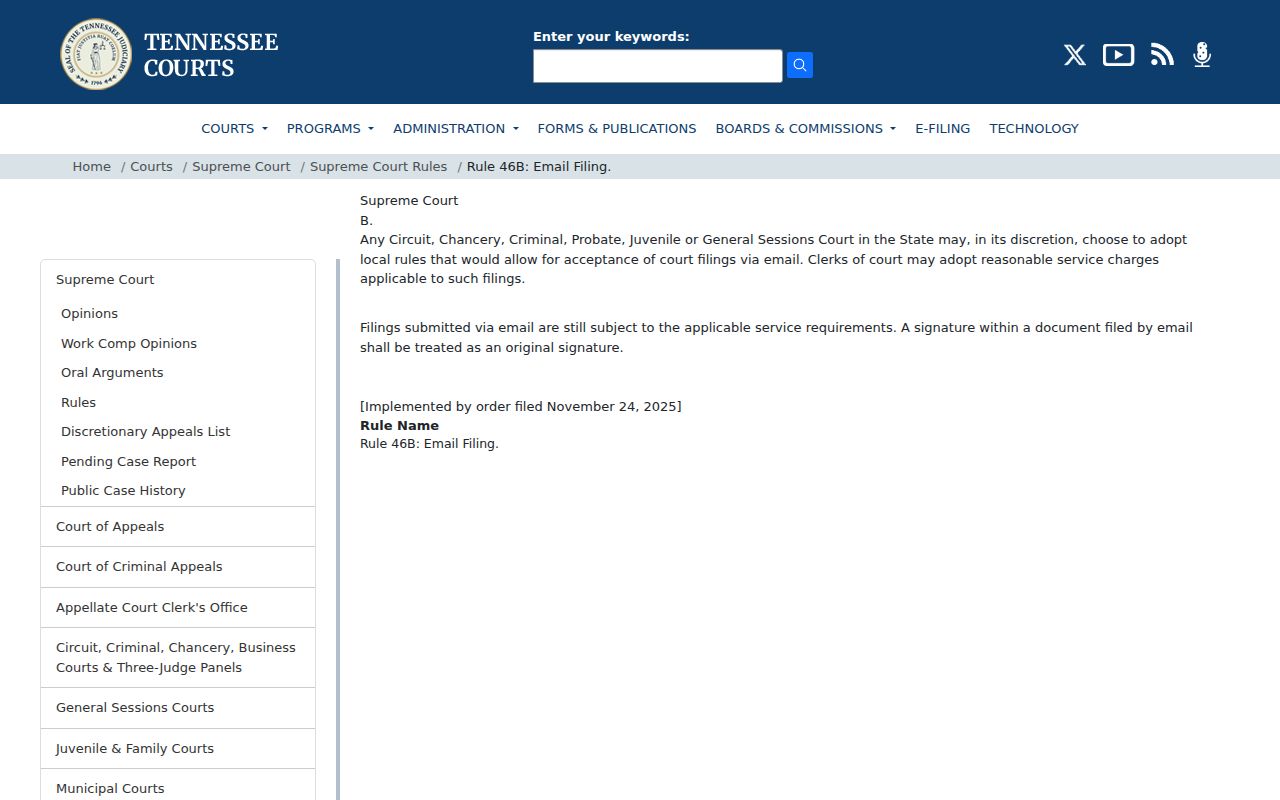
Rule 46B leaves the choice to each court. So it cannot tell you whether Dyer County actually takes email filings. The General Sessions overview explains that court's role.
That overview helps define the limited court route, but it still points back to the Dyer County clerk for a local check.